Learning Library
What Is Jazz Musicianship?
Why the difference between playing notes and making music comes down to the choices you make.
Michael Lake · 10 min read
Have you ever listened to two musicians play the same tune and wondered why one performance immediately captured your attention while the other left you unmoved?
Both musicians may know the same scales, understand the same harmony, and have spent years practicing their instruments. Yet one performance feels expressive and memorable, while the other sounds like a collection of notes.
The difference is musicianship.
Musicianship isn't another skill to add to your list. It's what transforms notes into music. It's the ability to bring together everything you've learned, including your ear, rhythmic feel, improvisation, practice habits, and musical voice, so your playing becomes a genuine expression of who you are.
Every phrase you play reflects a series of choices. Should you play or leave space? Repeat an idea or move on? Build intensity or let the music settle? Blend into the ensemble or step forward? Those choices determine whether listeners hear a series of notes or a musical story worth remembering.
How Do Those Musical Choices Become Natural?
Beginning musicians spend much of their attention searching for the "right" notes. They're thinking about scales, chord changes, fingerings, and avoiding mistakes. That's a natural stage of learning, but it leaves little mental space for listening, reacting, or expressing musical ideas.
As your skills become more solid, something begins to change. You spend less time thinking about how to play and more time listening to what you're hearing, imagining, and feeling. The music begins to flow more naturally from your imagination to your instrument.
That doesn't mean you're making fewer musical decisions. In fact, you're making more than ever before. The difference is that those decisions no longer feel like conscious calculations. Years of listening, practicing, performing, and reflecting have shaped your musical instincts. What once required deliberate thought gradually becomes part of who you are as a musician.
That's one of the clearest signs that musicianship is developing.
How Do You Develop Musicianship?
Unlike learning a scale or memorizing a chord progression, musicianship can't be practiced in isolation. It develops as many different abilities begin working together.
Every time you strengthen your ear, improve your rhythmic feel, learn a tune, transcribe a solo, play with other musicians, or honestly evaluate your own playing, you're developing more than individual skills. You're building the awareness and judgment that make expressive music possible.
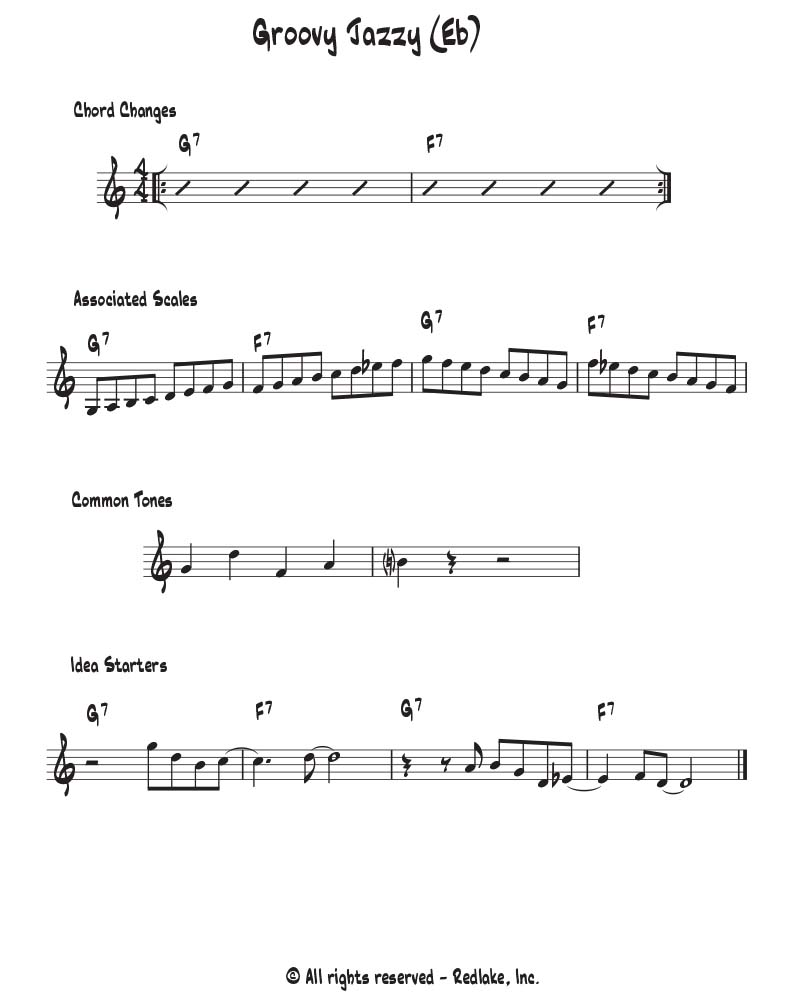
One way to shift your attention from mechanics to music is to simplify the musical environment. When you remove the need to think about scales, chord changes, or song form, your attention is freed for listening, responding, and shaping musical ideas. That's the philosophy behind Groovz Playground.
Musicianship Serves the Music
It's easy to think of musicianship as a way to become a better soloist, but it goes much deeper than that.
Musicianship is reflected in every musical choice you make. Sometimes the best choice is to play boldly. Other times it's to leave space, support another musician, repeat a simple idea, or not play at all. Those moments rarely attract attention, yet they often make the music stronger.
Imagine the pianist has just played a beautiful phrase. You could answer it, contrast it, or simply leave space and let it linger. None of those choices is inherently right or wrong.
Musicianship is the instinct to choose what best serves the music in that moment.
Beginning musicians naturally focus on themselves. Am I playing the right notes? Did I make a mistake? What should I play next? As musicians mature, their attention gradually shifts away from themselves and toward the music unfolding around them, where listening becomes just as important as playing.
The goal is no longer to demonstrate everything you know. It's to contribute something that helps the music communicate more clearly. As your attention shifts from trying to impress people to serving musical expression, your musical voice begins to emerge more naturally.
Musicianship isn't another skill to master. It's what transforms everything you've learned into music that reflects who you are.
Continue Your Journey
Foundation
What Is a Musical Ear?
Discover why listening is the foundation of musicianship and how a stronger ear leads to better musical choices.
Read →Find your voice
How Do You Develop Your Musical Voice?
Learn why musicianship isn't just about playing well. It's about developing something personal to say.
Read →Strengthen your rhythm
How Can You Improve Your Rhythm?
Explore why rhythm is more than keeping time and how it shapes confidence, communication, and musical feel.
Read →Put It Into Practice
Musicianship develops over a lifetime of listening, playing, reflecting, and growing. These resources will help you continue that journey.
The Art of Skill
Explore the habits, perspectives, and musical insights that shape expressive musicianship and a lifetime of artistic growth.
Explore → MembershipJazz Circle
Continue developing your musicianship through guided courses, personalized learning paths, practice resources, and a community of musicians committed to making meaningful music.
Explore →