Jazz Improvisation without scales: Why the scale-based approach is holding you back
Stop running scales. Start making music. Those two simple sentences are front and center on my home page for a reason. I’m reminded of those two lines when I listen
I’m often asked about alto trombone mouthpieces, equipment, and transposition, so when Joe Bjornson on JamTrek asked me to write something on alto mouthpieces, it gave me license to talk about the alto trombone a little differently than I have in the past.
I’ve played alto trombone exclusively since mid-way through college. I tried keeping the tenor up while I learned alto but I soon realized that I would have to sell my tenor and force myself up the steep learning curve if I was going to conquer the alto trombone.
I knew in the beginning that if I was to perform with other trombones or in any traditional ensemble, I couldn’t sound like a hybrid trumpet/trombone with a thin sound. So I kept my 6 1/2 AL tenor mouthpiece that I’ve played ever since. Actually I now have the Doug Elliot version of the 6 1/2 AL.
But the deep cup gives me a big sound that allows me to sit in a trombone section and sound like a tenor. I show up to gigs and people look at the strange little horn and wonder. But once I start playing, they realize it’s just a trombone.
I’ve played the stock alto mouthpieces and they force a thinness to my sound that I do not like. I realize that a big mouthpiece makes the high register less accessible, at least for me. But screaming high notes is not my musical identity. Big tone and consistency throughout the horn is.
The alto I play is an Adams. Adams is more known for thier percussion instruments and euphoniums. A few years ago I displayed at the Redlands California ITF. Across from my table was the Austin Brass retailer. They had this beautiful sterling silver alto trombone that was calling me.
Timing is everything, and I had worn out my second Yamaha YSL670 alto and was in need of its replacement. In past ITFs I try out altos and I must say that most of them are crap. Very out of tune and often they lack a true seventh position, which is an important part of the horn. But my Adams sounds great, responds well, and if very well in tune.
The most common alto, and the one I’ve always played, has a fundamental of Eb. That means that its overtone series is a fourth higher than tenor, with its fundamental of Bb. The bad news is that the positions are completely different for the same notes played on a tenor.
I’ve always played and advocated to people that you read concert pitches and play them on the horn. I primarily read bass, tenor, and alto clef, but I use the alto trombone positions. So, am I playing in Eb? No, in C. I treat the alto as a non-transposing instrument. Ask me to play F in the middle of the bass cleff staf and you’ll see me going to 6th position. Ask me to play middle C and I’ll be at third position. It’s a steep learning curve especially as a jazz player rerally needing that connection with the horn.
A big part of the reason for treating it a bass clef concert instrument is because I want to play the trombone parts of a tenor – usually lead. In big bands, sextets, etc. Could you imagine sitting down and telling the musical director or leader that you need your parts in alto clef?
This unfortunately is why so few tenor players dedicate themself to learning the alto sufficiently to be comfortable playing jazz. I am saddened because I really think the alto is the superior jazz instrument. The positions are closer together and its diameters are smaller which facilitates longer phrases. The shorter tube and therefore quicker air is something that I think would make players more expressive than they can be on a tenor. That’s just my sense based on how I feel physically when I play.
This is my favorite misnomer about the alto. My range didn’t expand once I started playing the alto. Remember, I was using the same mouthpiece as I used on my tenor. What changed were the overtones in the overall sound of the alto. I did an analysis in my book Alto Trombone Savvy that showed the frequency spectrum of the same notes on my Yamaha alto compared to a Conn 8H. It showed a greater emphasis on the higher overtones. The discrepancy would probably have greater had I used a shallower mouthpiece on the alto like a 12c.
So while the overall sound of the alto emphasizes the higher overtones, for me at least, the range is more a function of the mouthpiece. But as I mentioned above, I am not a high note screamer. That has never been my voice. Perhaps what makes my horn choice even more odd is that I remained a mid-range improviser and composer of trombone melodies.
Buy a cheap one and see how quickly the alto comes to you. Look through ebay and Amazon. You’ll find something decent for $500. The old Moz horns were pretty good.
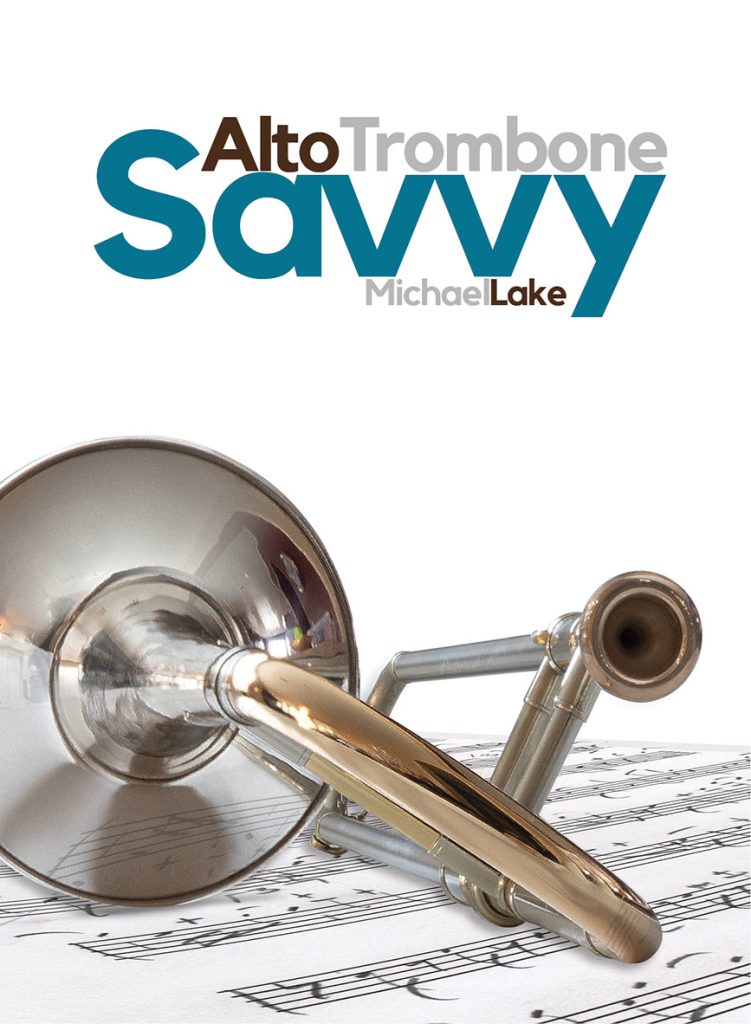
And lucky for you, I happen to provide the user manuasl for learning alto and improvising if you wish. Called Alto Trombone Savvy, it takes you buy the hand and helps you hear the horn as you learn the positions. Lots of exercises for those! The alto trombone revolution is waiting for you!!
(And amaze your friends!!)

Stop running scales. Start making music. Those two simple sentences are front and center on my home page for a reason. I’m reminded of those two lines when I listen

Last week, I took time off to visit my oldest son. I didn’t take my trombone since this was focused time eating, drinking, bonding, and hiking the vast canyons of

The Habit of Surrender Last Friday, I spoke to a well-known Grammy winning jazz musician about the website I built for him a couple years back. His new album is

My recently turned 18-year old son is a passionate photographer. He’s got himself a little business where people pay
My recently turned 18-year old son is a passionate photographer. He’s got himself a little business where people pay

A couple weeks ago I sent Richie Beirach a YouTube clip from the movie Whiplash as a bit of
I originally meant to write this as a reply to a comment Richie Beirach wrote on my blog. But